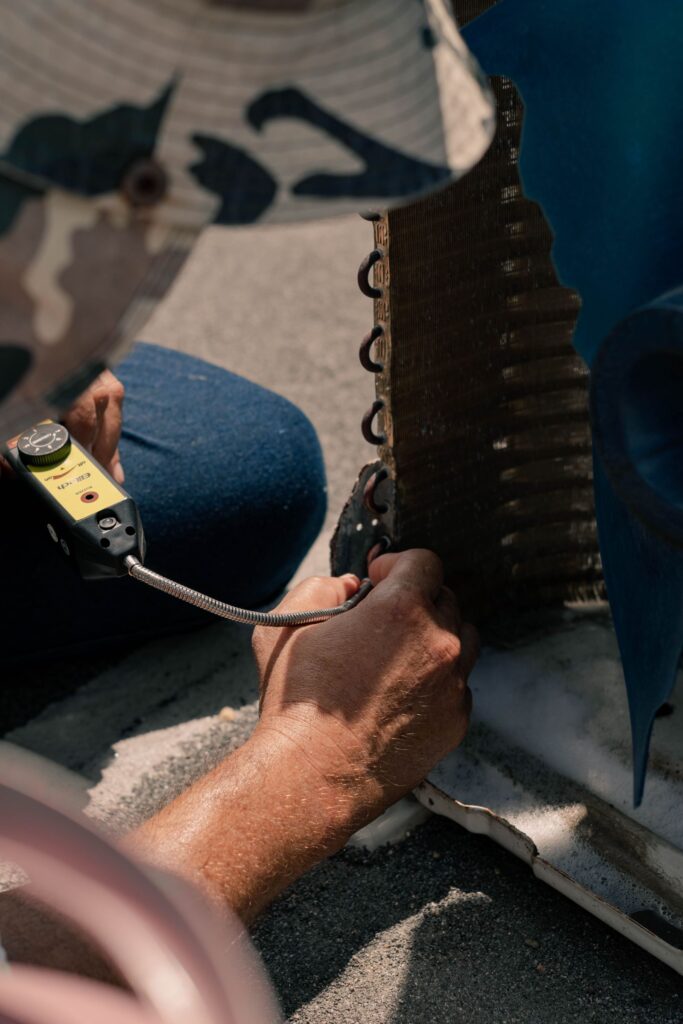
Most of a kitchen exhaust system sits behind panels, above ceilings or on a roof, so the people responsible for it rarely see inside. Owners, head chefs, landlords and building managers all want to know what state it is in, and the honest answer usually starts with a photo. That is why every clean we carry out finishes with a simple record of where we worked, what it looked like before, what it looked like after and what we could not reach.
Our photos follow the airflow: canopy and plenum, filters, each duct access point we opened, and the fan. Alongside them, brief notes cover the general condition of each section, any spots that were heavily loaded, and anything we noticed that might need a tradesperson, such as a loose panel, a damaged filter or a fan that sounded rough. The language is plain and free of jargon, so it stays useful to anyone who reads it later, whether that is an owner, a chef or a contractor.
Kept with your maintenance file, these records build up a history of the system. Over several cleans they show how fast grease returns, which helps everyone settle on a cleaning interval that makes sense. They also make handovers smoother when a venue changes managers, and they give contractors useful context before they quote on repairs or upgrades to the system.